
What Would Happen If We Stopped Vaccinations?
Written by Vic Allen · Owner
The German Measles epidemic of the 1960s harmed 20,000 babies. What history teaches us about rubella, measles, and when children get the MMR vaccine.
Perhaps older folks can remember the epidemic of German Measles in the mid-1960s. The Rubella virus infected over 12 million Americans. The infection was generally mild in adults, but mothers who became infected during pregnancy passed the virus to the baby.
Outcomes were catastrophic. Over two years, 20,000 infants were born with Rubella, resulting in 2,100 infant deaths and 11,250 miscarriages.
Many surviving infants faced unfortunate outcomes. 11,600 were deaf, 3,580 were blind, 1,800 were mentally disabled, and many developed lifelong heart defects.
Over 3,800 cases of measles have been confirmed in our country this year, and almost all of them are in folks who were not vaccinated.
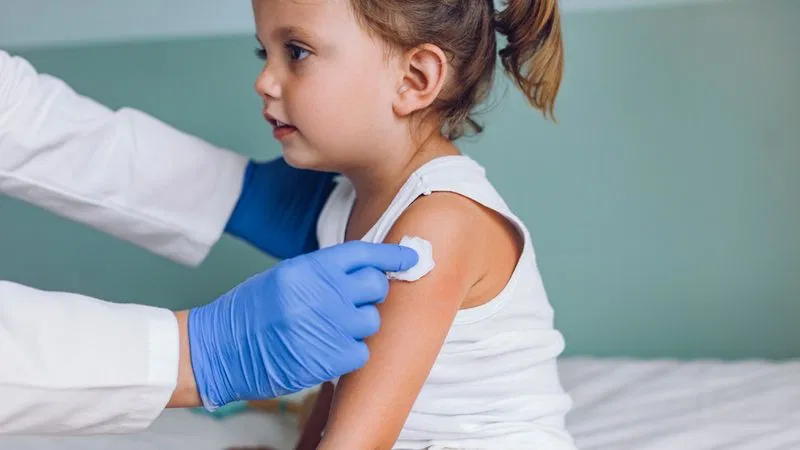
The MMR vaccine, which protects against measles, mumps, and Rubella, is given to our children and provides lifelong protection. The first dose is given at 12 to 15 months, and the second dose is given at 4 to 6 years, before entering school.
The Rubella virus is back! The best advice is to discuss the MMR and other necessary vaccines with your provider. Vaccinations protect the community and us; let history guide us.